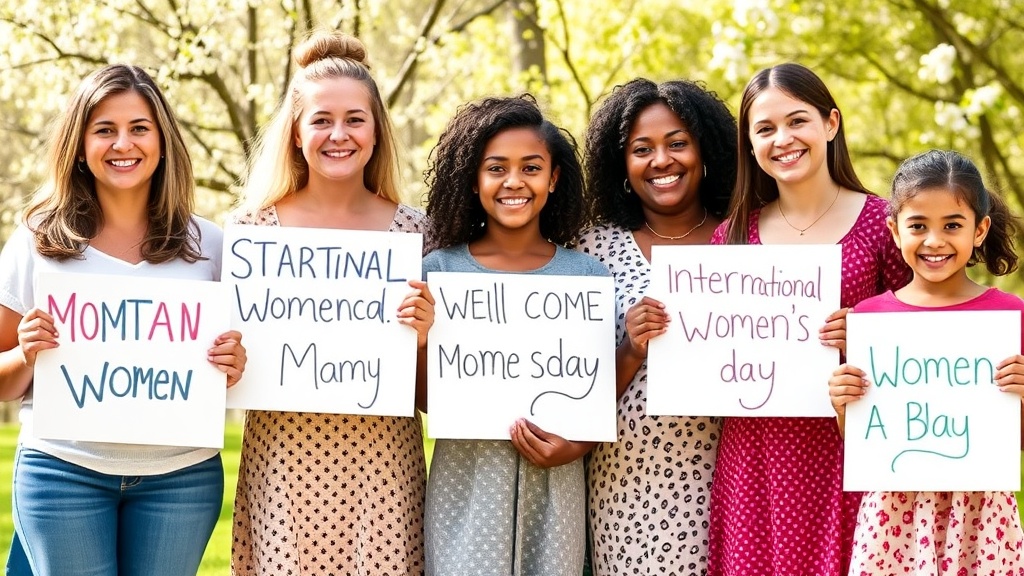
International Women's Day: How Brands Can Run Inclusive Campaigns That Resonate

Hook – Did you know that 70% of consumers say a brand’s stance on gender equality influences their purchase decisions? International Women’s Day (IWD) on March 8 is the perfect moment to show you care—if you do it right.
Context – As a mom‑of‑three who wrestles with grocery‑store price spikes and surprise shoe‑size growth spurts, I’m constantly bombarded by brands that either ignore the chaotic reality of family life or slap a pink ribbon on a product and call it a day. This article shows how brands can turn IWD into a genuine, inclusive campaign that speaks to real families, not just marketing hype.
What Makes an Inclusive International Women’s Day Campaign?
An inclusive IWD campaign does three things:
- Elevates authentic stories – real‑life moms, dads, and kids sharing how gender equality impacts their day‑to‑day budgeting.
- Offers tangible value – tools, discounts, or resources that help families manage money while supporting women’s empowerment.
- Avoids tokenism – it’s not just a pink‑colored logo; it’s a meaningful partnership with women‑led organizations and transparent communication.
How Can Brands Find Authentic Voices?
- Partner with real parents – reach out to community groups, school PTAs, or mom‑bloggers (like me!) who can speak from experience.
- Feature diverse perspectives – include single parents, LGBTQ+ families, and caregivers of different cultural backgrounds.
- Show behind‑the‑scenes effort – share the process of creating the campaign, from brainstorming to testing messaging with focus groups.
“When I saw a brand actually ask my kids what they think about a campaign, I felt seen.” — Jenna, founder of Family Budget Blog
How Can Brands Turn Messaging Into Action?
What Types of Content Resonate Most on IWD?
| Content Type | Why It Works | Example for a Family‑Finance Brand |
|---|---|---|
| Storytelling videos | Emotional connection; shares lived experience | A short reel of a mom juggling a grocery list while talking about wage gaps. |
| Free budgeting toolkits | Immediate value; aligns with the day’s theme of empowerment | A downloadable “Women’s Financial Health Checklist” (link below). |
| Cause‑related discounts | Shows tangible support for women‑led NGOs | 15% off for purchases that donate a portion to UN Women. |
| Live Q&A sessions | Interactive; builds community trust | Instagram Live with a financial planner discussing gender‑pay‑gap budgeting. |
How Do Brands Measure Success Beyond Sales?
- Engagement metrics – comments, shares, and sentiment analysis on social platforms.
- Conversion to resources – downloads of the free checklist or sign‑ups for newsletters.
- Impact partnerships – amount donated to women’s charities or number of women‑focused webinars hosted.
What Pitfalls Should Brands Avoid?
- Pink‑only aesthetics – it feels lazy and excludes non‑binary or trans audiences.
- One‑off gestures – a single tweet on March 8 without year‑round commitment looks performative.
- Ignoring intersectionality – gender equality intersects with race, class, and ability; campaigns that ignore this miss a large portion of the audience.
How Can Brands Make Their Campaigns Intersectional?
- Co‑create with NGOs that focus on multiple dimensions of equity (e.g., Women’s World Banking + LGBTQ+ advocacy groups).
- Highlight stories of women of color, disabled mothers, and single dads who champion gender equality.
- Use inclusive language – replace “women” with “people of all genders” where appropriate, but keep the focus on women’s rights for the day.
Quick‑Hit Checklist for Brands (and Parents!)
- ✅ Audit your visual assets – ensure diverse representation.
- ✅ Pick a real‑world benefit – a budgeting worksheet, discount code, or donation.
- ✅ Partner with a credible organization – UN Women, Girls Who Code, etc.
- ✅ Create a content calendar – teaser on March 5, main post March 8, follow‑up on March 12.
- ✅ Measure & share results – transparency builds trust.
How Can Family‑Focused Brands Apply This Today?
Which Existing Resources Can You Leverage?
- Our “Women’s Financial Independence Checklist” – a printable guide that helps moms audit their finances and set empowerment goals. (Link: /blog/a-real-moms-guide-to-financial-independence-this-iwd)
- The “Gender‑Equality Savings Challenge” – a 30‑day habit tracker that encourages families to save together while discussing gender roles at home. (Link: /blog/the-financial-checklist-every-woman-keeps-putting-off-and-why-this-weekend-is-the-day-to-stop)
- Our “Budgeting Apps Showdown” – pick an app that supports shared accounts and gender‑neutral budgeting features. (Link: /blog/budgeting-apps-showdown-which-tool-survives-realworld-parenting-chaos)
How to Launch a Mini‑Campaign in One Week
- Day 1 (Mar 5) – Post a teaser graphic with the campaign hashtag #IWD2026Family.
- Day 3 (Mar 7) – Release a short video of a mom explaining why gender‑pay‑gap awareness matters for grocery budgeting.
- Day 4 (Mar 8) – Publish the main article (this one) and offer the free checklist.
- Day 6 (Mar 10) – Host a live Q&A on Instagram with a financial planner and a women‑rights activist.
- Day 8 (Mar 12) – Share impact stats: how many checklists downloaded, dollars donated, etc.
Takeaway
International Women’s Day isn’t just a calendar reminder—it’s an opportunity for brands to prove they get the messy, real‑life financial challenges families face while championing gender equality. By centering authentic stories, providing real value, and committing to inclusive, intersectional messaging, you’ll build trust that lasts far beyond March 8.
Ready to start? Grab our free checklist, partner with a cause, and let your brand’s voice join the conversation.
FAQs (FAQPage Structured Data)
{
  "meta": {
    "faqs": [
      {
        "question": "How can small brands celebrate International Women's Day without a big budget?",
        "answer": "Focus on authentic storytelling, free resources like budgeting checklists, and partnerships with local women‑led NGOs to create genuine impact without heavy ad spend."
      },
      {
        "question": "What are inclusive marketing best practices for IWD?",
        "answer": "Feature diverse voices, avoid token pink aesthetics, offer tangible value, and ensure the campaign aligns with year‑round gender‑equality commitments."
      },
      {
        "question": "Why is International Women's Day relevant to family budgeting blogs?",
        "answer": "Gender‑related pay gaps directly affect household budgets, so discussing IWD helps families plan finances with a lens on empowerment and equality."
      }
    ]
  }
}
Published on Family Budget Blog – your “smartest friend” for chaotic‑proof finances.