Eco‑Friendly Spring Cleaning: DIY Natural Cleaners for a Toxin‑Free Home

Hook: Ever wonder why your house still smells like a chemical lab after a "deep clean"? What if you could swap out those harsh sprays for simple pantry staples and actually enjoy the fresh scent of lemon and lavender?
Context: Spring is the traditional time for a big‑house purge, but many families are waking up to the hidden health risks of conventional cleaners—volatile organic compounds (VOCs) that can aggravate asthma, irritate skin, and linger on surfaces. As the recent "6 pillars of a healthier, age‑defying lifestyle" piece reminds us, reducing chemical exposure is a cornerstone of long‑term wellness. Luckily, you don’t need to splurge on pricey eco‑brands; you have everything you need right in your kitchen.
What pantry ingredients can become cleaning powerhouses?
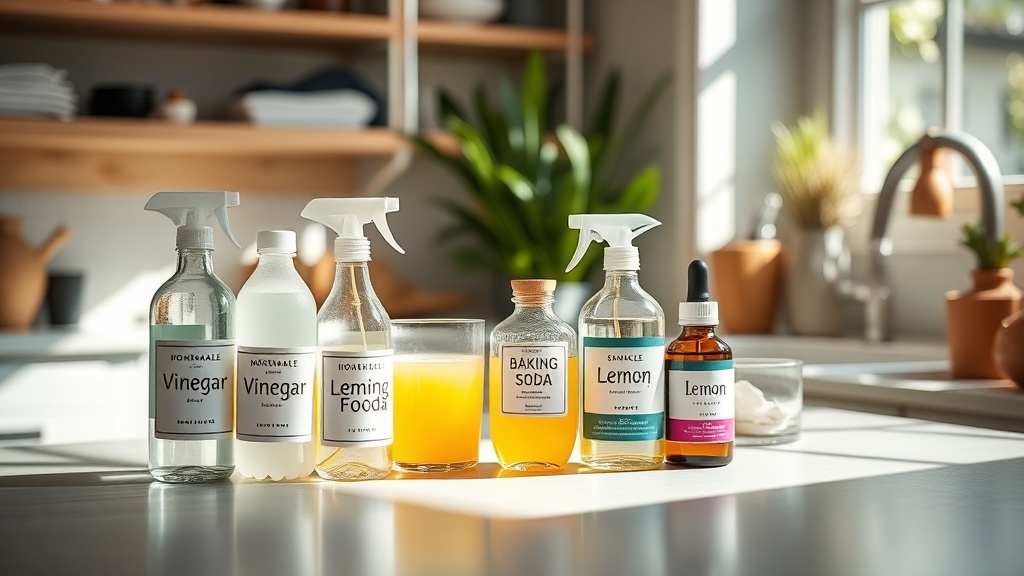
Most of us already stock white vinegar, baking soda, lemon, and a few essential oils. Here’s why they work:
- White vinegar (5% acetic acid) dissolves mineral deposits, cuts grease, and neutralizes odors. (EPA Green Cleaning Guide)
- Baking soda (sodium bicarbonate) acts as a gentle abrasive and deodorizer.
- Lemon juice adds natural acidity and a fresh scent while fighting bacteria.
- Essential oils (e.g., tea tree, lavender, eucalyptus) boost antimicrobial properties and let you customize fragrance.
Pro tip: Keep a small spray bottle of diluted vinegar on the countertop for quick spot‑cleaning. It’s cheaper than store‑bought multi‑surface sprays and safe around kids.
How do I make an all‑purpose cleaner that tackles kitchen counters and floors?
Ingredients
- 1 cup white vinegar
- 1 cup water (warm)
- 10‑15 drops lemon essential oil (or the zest of one fresh lemon)
- Optional: 1 tsp dish‑soap (for extra grease‑cutting power)
Steps
- Combine vinegar and warm water in a spray bottle.
- Add the essential oil or lemon zest; shake gently.
- Optional: Add a teaspoon of mild dish‑soap for stovetop greases.
- Label the bottle (e.g., "All‑Purpose Cleaner — Kitchen & Floor").
- Spray on surfaces, let sit 30 seconds, then wipe with a microfiber cloth.
Why it works: The acidity breaks down grime, while the oil adds a pleasant scent and antimicrobial boost. No synthetic fragrances, no phosphates.
How can I banish bathroom grime without a toxic spray?
Bathroom Cleaner (Tub & Tile)
- ½ cup baking soda
- ¼ cup white vinegar
- 10 drops tea‑tree essential oil
- 1 cup warm water
- Mix baking soda and water into a paste.
- Apply to tiles and grout; let sit 5‑10 minutes.
- Spritz vinegar over the paste; it will fizz—great for loosening soap scum.
- Scrub with a soft brush, then rinse.
- Finish with a few drops of tea‑tree oil for extra mold protection.
Safety note: Keep the mixture away from children’s eyes and always rinse thoroughly.
How do I get streak‑free windows and mirrors?
Sparkling Glass Solution
- 2 cups water
- ½ cup white vinegar
- 1 tbsp rubbing alcohol (70% is fine)
- 1 tsp cornstarch (prevents streaks)
- 5 drops lavender essential oil (optional for a fresh scent)
- Shake all ingredients in a spray bottle.
- Spray on glass; wipe with a lint‑free microfiber cloth in a circular motion.
- Buff with a dry section of the cloth for a crystal‑clear finish.
Quick hack: For stubborn water spots, rub a cut‑half lemon directly on the glass before spraying the solution.
What safety and storage tips keep my DIY cleaners kid‑proof?
- Label every bottle clearly with its purpose and date made (most DIY cleaners are best used within 30 days).
- Store out of reach, ideally on a high shelf or in a locked cabinet.
- Avoid mixing vinegar with bleach—never combine acidic and chlorine‑based products.
- Test a small area first, especially on delicate surfaces like marble or sealed wood.
- Use child‑safe spray caps when possible.
How can I turn cleaning into a family‑fun activity?
Getting the kids involved not only teaches responsibility but also reduces the "chaos‑proof" budget strain of hiring help. Assign age‑appropriate tasks:
- Little helpers (3‑5): Hand you the spray bottle, wipe low surfaces.
- Tweens (6‑12): Mix the ingredients (under supervision) and scrub bathroom tiles.
- Teens: Manage the cleaning schedule and track which rooms need attention each week.
A simple chart on the fridge (think of it as a "cleaning scoreboard") can turn chores into a friendly competition.
Takeaway
Spring cleaning doesn’t have to mean exposing your family to harsh chemicals or blowing your budget. With a few pantry staples—vinegar, baking soda, lemon, and essential oils—you can create a suite of effective, pleasant‑smelling cleaners that keep your home toxin‑free. Remember to label, store safely, and involve the kids for a cleaner home and a stronger family routine.
Ready to start? Grab a spray bottle, pull out those pantry basics, and give your home the fresh, chemical‑free reset it deserves.
Related Reading
- Spring Refresh: Sustainable Home Organization Tips – Pair your cleaning routine with clutter‑free organization for maximum calm.
- Daylight Saving Time Shift: Practical Tips to Adjust Your Routine and Boost Well‑Being – Align your cleaning schedule with the longer daylight hours.
- 5 Budget Hacks Every Parent Needs in 2026 – Keep your cleaning supplies cheap and effective.
Sources
- United States Environmental Protection Agency, Green Cleaning Guide (2024) – https://www.epa.gov/green-cleaning
- Healthline, The Best Natural Cleaning Ingredients (2025) – https://www.healthline.com/health/cleaning/natural-cleaning-ingredients
- Environmental Working Group, Cleaning Products and Indoor Air Quality (2023) – https://www.ewg.org/indoor-air-quality/cleaning-products
- Consumer Product Safety Commission, Household Cleaning Product Safety (2024) – https://www.cpsc.gov/Safety-Education/Safety-Guides/Cleaning-Products