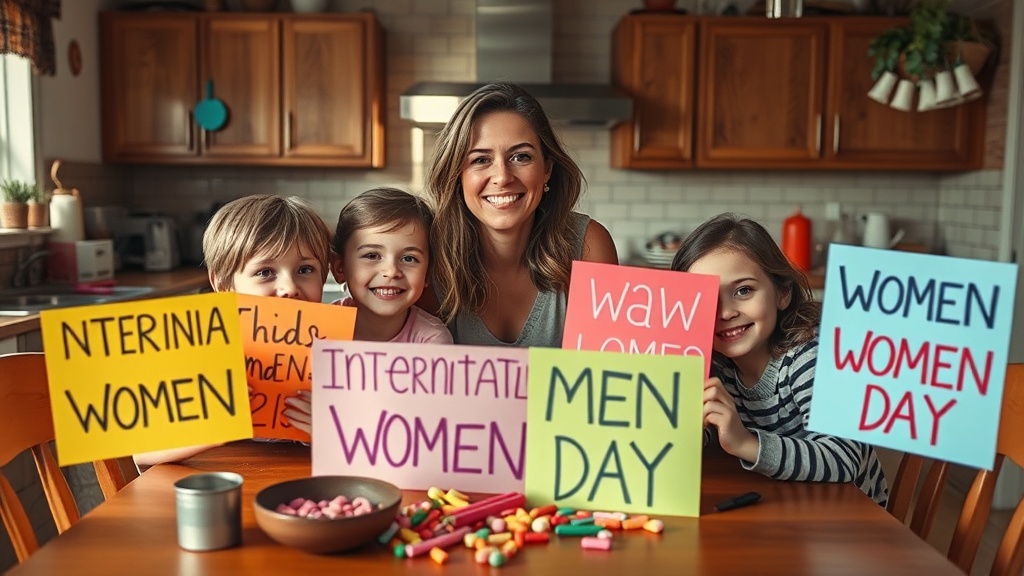
5 Steps to Build Authentic International Women’s Day Campaigns

Ready to make your International Women’s Day (IWD) campaign feel genuine, not gimmicky? Brands flood social feeds every March, but only a handful cut through the noise and truly connect with real‑life women. Let’s break down five actionable steps you can implement right now to run an IWD campaign that resonates, respects gender‑equality, and actually moves the needle.
Why Does Authenticity Matter on International Women’s Day?
According to a Harvard Business Review 2024 study, inclusive campaigns generate up to 23% higher engagement and 15% more purchase intent than generic “holiday” posts. When women see a brand that acknowledges their lived experiences—whether it’s juggling childcare, negotiating salaries, or dealing with “mom‑guilt”—they’re more likely to trust and buy.
How Can Brands Identify Real Gender‑Equality Issues to Address?
Start with data, not assumptions. Look at reputable sources like the UN Women 2025 Gender Equality Report or the World Bank Gender Data Portal. Pick one or two metrics that align with your industry (e.g., pay gap, parental leave, representation in leadership) and frame your campaign around concrete, measurable goals.
What Are the Key Steps to Design an Inclusive IWD Campaign?
- Listen first. Run quick surveys or social‑listening polls with your audience. Our community loved the Real Mom’s Guide to Financial Independence because it asked real questions, not just “what do you think?”
- Co‑create content. Partner with diverse women creators—mom‑bloggers, single‑parent activists, LGBTQ+ voices—to ensure the narrative isn’t just yours.
- Show real stories. Highlight everyday moments (like a dad learning to braid hair) that illustrate gender‑equality in action. Authentic photo‑ops beat stock‑photo clichés every time.
- Provide tangible resources. Offer toolkits, budgeting worksheets, or links to community programs. For example, our budget hacks guide has been a go‑to resource for families managing sudden expenses. You can also pull insights from our 2026 Grocery Price Outlook to illustrate budgeting under pressure.
- Commit to post‑IWD impact. Set a public benchmark (e.g., donate $0.10 per purchase to a women‑focused charity) and report progress in a follow‑up blog post. Consider building a small “chaos fund” for unexpected gender‑equality initiatives—see how we use a chaos fund for spring sports to handle surprise expenses.
How Should Brands Communicate Their Commitment Without Tokenism?
Keep the language honest and specific. Avoid vague phrases like “empowering women” and replace them with clear actions: “We’re funding free coding workshops for girls in Columbus.” Use the same tone you’d use in a conversation with a friend—fast‑paced, empathetic, and a little messy, just like our family budgeting style.
What Metrics Can Brands Use to Measure Campaign Impact?
Beyond likes and shares, track:
- Engagement depth: average time on your IWD landing page.
- Conversion to action: sign‑ups for your resource kit or donations made.
- Sentiment analysis: monitor comments for genuine appreciation versus “performative” backlash.
- Long‑term brand perception: quarterly surveys on gender‑equality trust scores.
When you close the loop with a transparent post‑campaign report, you reinforce credibility and build a community that sticks around year‑round.
Takeaway
International Women’s Day isn’t a one‑day marketing sprint—it’s an opportunity to embed gender‑equality into your brand DNA. Follow the five steps above, stay data‑driven, and keep the conversation honest. Your audience will notice the difference, and your brand will earn the trust that lasts far beyond March 8.
Frequently Asked Questions
- Why is data important for IWD campaigns? Data grounds your messaging in real‑world issues, preventing generic platitudes and boosting credibility.
- Can small businesses run inclusive IWD campaigns? Absolutely. Focus on authentic storytelling and community partnerships rather than big ad spends.
- How do I avoid tokenism? Involve women from your target audience in planning, use specific actions instead of buzzwords, and follow up with measurable outcomes.